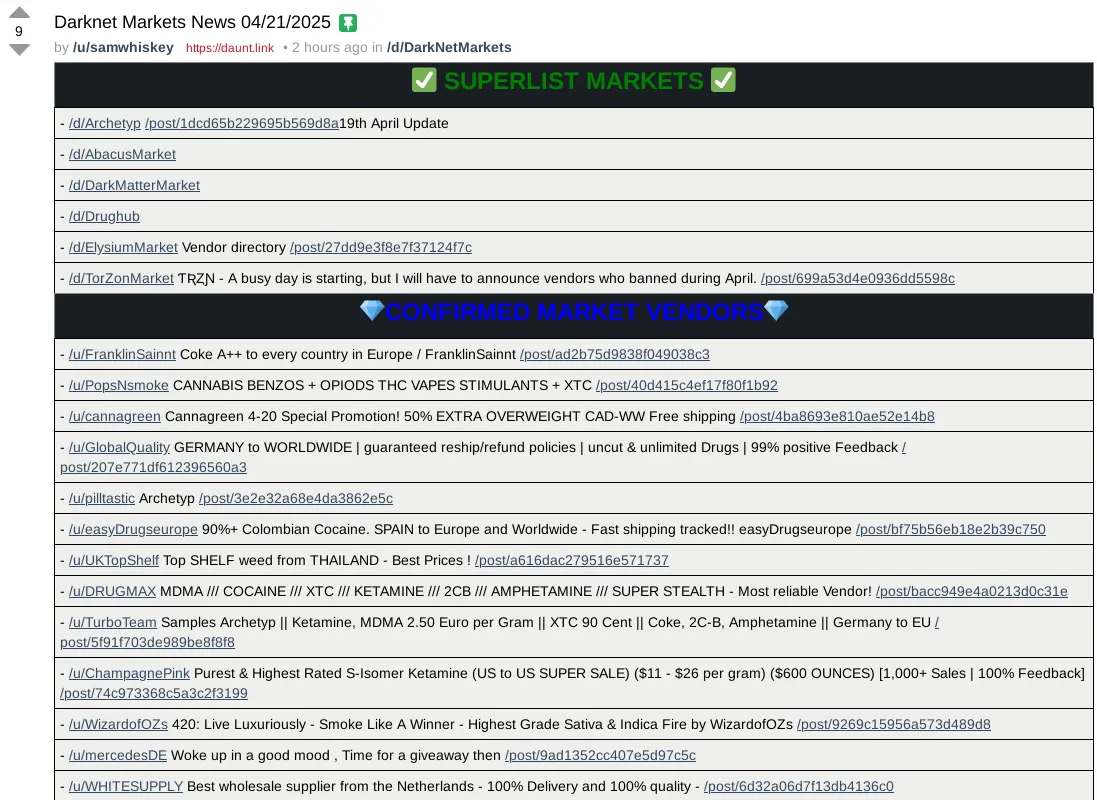
This deep net has long been a well spring of fascination and fear, shrouded in secrecy and often portrayed as a haven for illicit activity. Within this secret layer of the web lies a complicated network of underground trading posts, where items and services are exchanged under the veil of anonymity. Such platforms operate on the hidden internet, employing crypto technologies to protect the identities and privacy and transactions of their participants. Thus, they present an interesting case study of commerce that operates outside the traditional economic system.
In the past few years, the rise of these sites has raised important issues about the character of digital marketplaces, the motivations of their participants, and the consequences for law enforcement and society. From illegal drugs and fake products to cybercrime services and sensitive information, the variety of products in underground platforms is as vast as it is troubling. Understanding how these markets function is crucial for comprehending the issues they pose, not only to regulators but also to our perception of security and confidence in online commerce.
Understanding the Obscured Web
The hidden web is a section of the internet that is not indexed by standard search engines, making it relatively difficult to access to the typical user. It works on overlay networks, which demand specific software, setups, or authorization to reach. The most frequent way to connect to the obscured web is through the Tor network, which anonymizes user traffic by sending it through a chain of community-operated servers. This secrecy is a substantial draw for users seeking privacy, whether for lawful reasons or further illicit activities.
Inside this hidden realm, there is a variety of marketplaces and forums where users can trade goods and services that may be illegal or difficult to find on the regular web. These markets often facilitate the transaction of drugs, weapons, counterfeit currency, and stolen data. Transactions are typically executed using cryptocurrencies, like Bitcoin, which adds another layer of secrecy and makes tracing difficult for police agencies. This distinct ecosystem flourishes in secrecy, allowing users to operate with a level of danger that is not found in standard commerce.
While the obscured web often garners a reputation solely for criminal activity, it also functions as a space for expression and information dissemination in repressive regimes. Whistleblowers and activists may use these networks to communicate without concern of surveillance or reprisal. Thus, the dark web is a intricate and diverse space that embodies a combination of illegal trade and the struggle for privacy and freedom, presenting an intriguing paradox within the digital landscape.
Mechanisms of Darknet Markets
Darknet platforms operate on the principles of anonymity and decentralized transactions, attracting users who seek to buy and trade illicit goods and services without being tracked. These markets are typically operated on networks like Tor or I2P, which conceal users' IP addresses and encrypt their communications, making it challenging for law enforcement to track their activities. Vendors often create detailed profiles, complete with reviews and feedback, to establish credibility and trust within the community. This unique structure allows participants to explore and choose from an array of listings, ranging from controlled substances to counterfeit documents.
Transactional systems in darknet markets heavily depend on cryptocurrencies, primarily cryptos, to enable transactions while preserving participant anonymity. These digital currencies are selected for their pseudonymous nature, allowing customers to purchase items without revealing their personal information. Some markets have developed their own escrow systems, which hold payments until the buyer verifies receipt of the purchased items, further reducing the risk of fraud. This commitment to safety and confidentiality enhances user confidence and encourages participation in these depths of the internet.
To maintain their functionality, darknet markets often utilize specialized discussion boards or chat rooms for interaction and marketing. These platforms serve as hubs for participants to exchange information, discuss product quality, and relay experiences, creating a sense of fellowship among customers and vendors. In addition, many markets are constantly adapting, employing sophisticated measures to avoid law enforcement, which may include regularly changing URLs, using protection against DDoS measures, and applying enhanced security protocols. This constant evolution is crucial for survival within the unstable landscape of the darknet.
Dangers and Legal Consequences
Participating in trades on black market websites involves substantial risks that can impact not only individuals and society as a whole. darkmarket expose themselves to fraud, tricks, and the potential loss of their private information. Moreover, the privacy that these platforms offer can lead to a misleading sense of security, enticing individuals into making impulsive purchases of illicit goods or services without completely understanding the consequences.
From a lawful perspective, taking part in dark web markets carries grave implications. Law enforcement agencies are more and more observing these platforms, and individuals caught buying or trading illegal items can face hefty fines, prosecution, and long-term imprisonment. Legal frameworks vary by country, but many jurisdictions treat activities on such markets very seriously, often leading to investigations and stings on operators and users alike.
Additionally, the presence of illegal activities on dark web marketplaces contributes to wider societal issues, including the proliferation of drug abuse, trafficking, and cybercrime. These markets can facilitate the exchange of harmful substances and dangerous weapons, further perpetuating criminal enterprises. As authorities strive to combat these issues, the risks for those involved in dark web transactions continue to grow, making it essential for individuals to thoughtfully reflect on their actions and the potential repercussions.